Peas Baby Food (Pea Puree + BLW)
Green peas are such an easy and nutritious first food for little ones. In this post, I'm sharing both a simple pea puree for younger babies as well as baby-led weaning serving ideas, including safe ways to serve "whole peas" for older babies.
Peas make an amazing baby food. They're a great source of plant-based iron, fiber, and protein and their naturally sweet flavor usually makes them a big hit with babies and picky eaters alike. They are also super versatile- you could serve them as puree, mashed on toast or as fritters.
And if you feel a little nervous about serving peas because of their round shape, you're definitely not alone- I personally preferred flattening them for quite a while, even once my daughter was older.
If you're just getting started with feeding solids, I'd recommend having a quick read through these guides first:
- Baby-Led Weaning First Foods- a simple guide to help you get started
- BLW vs. Purées- walks you through both approaches
- Baby-Led Weaning Utensils- my favorite beginner-friendly feeding tools
Jump to:
How to serve peas to babies
How you serve peas can change quite a bit depending on your baby's age and feeding skills. Below you'll find simple age-by-age suggestions for serving peas, from smooth purees for beginners to easy finger food options for older babies and toddlers.
Pea Puree
6+ months
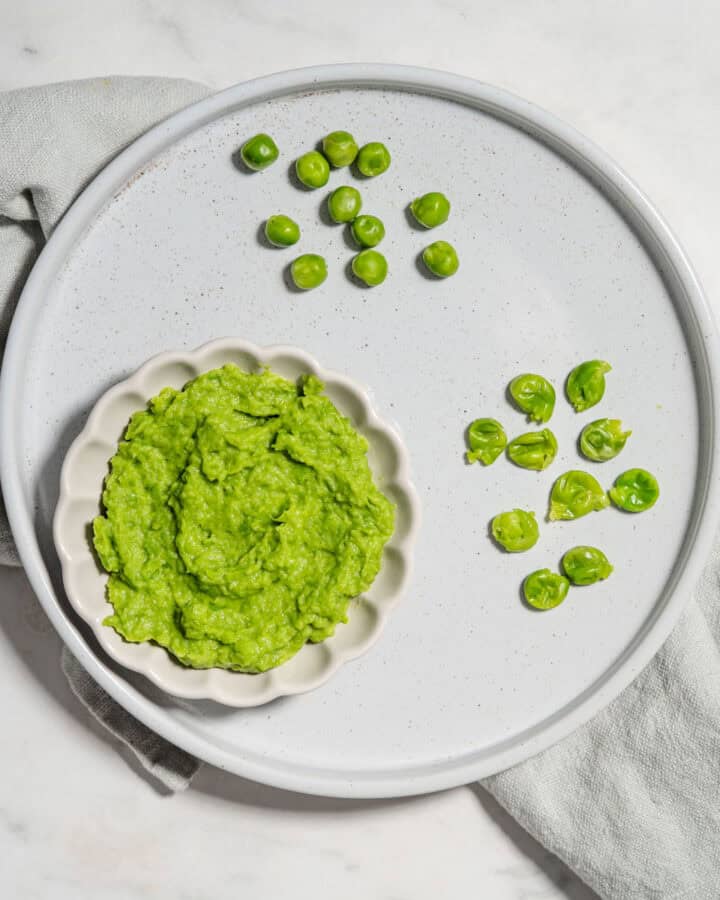
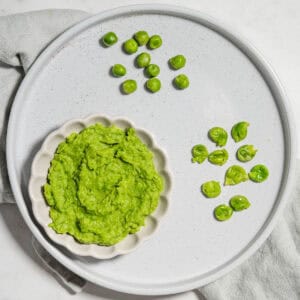
For younger babies, peas should ideally be served pureed or very well mashed. Because of their small round shape, whole peas can be a choking hazard at this age. You can serve pea puree on a spoon, spread onto toast (if you want to try BLW), or mixed into other soft foods.
Peas for Baby Led Weaning
9+ months
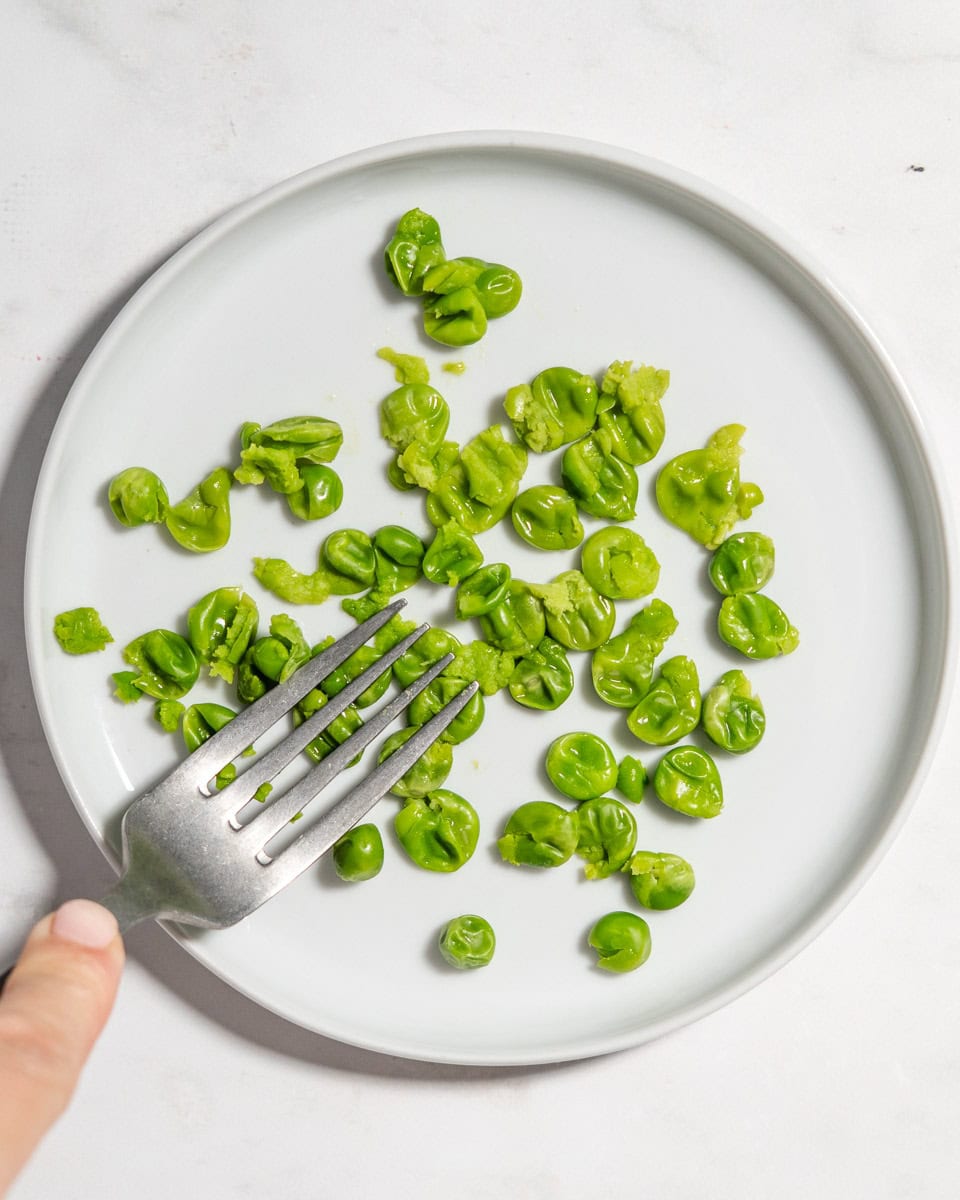
Once your baby has developed a pincer grasp, you can offer softly cooked peas that have been lightly squished or flattened with a fork as an easy finger food. I personally still preferred flattening them quite a bit at this stage because of their round shape.
12+ months
Around this age, many toddlers can manage whole cooked peas safely and may enjoy practicing picking them up individually or spearing them with a fork. That said, it really comes down to what you feel comfortable with and your toddler's eating skills. I personally was more on the cautious side and still liked to flatten them a little longer. As always, serve peas soft and fully cooked and stay close while your toddler
How to make pea puree for a baby
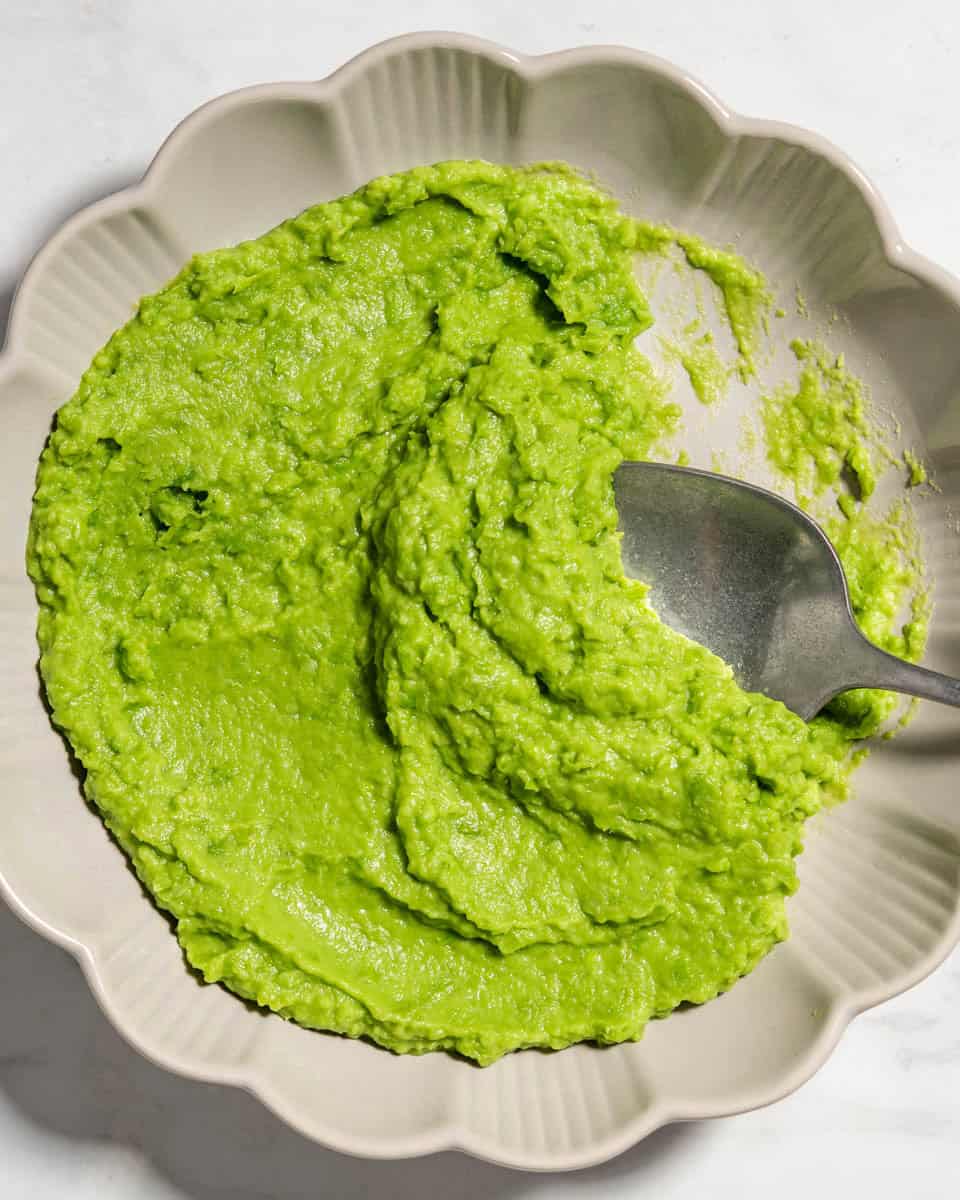
Pea puree is one of the easiest baby foods to make. Simply add cooked peas to a blender or small food processor and blend until smooth and creamy. You can adjust the consistency by adding a little water (or even breast milk, or formula) as needed. I also like adding a teaspoon of olive oil for some healthy fats and extra creaminess.
Optional texture adjustments
For younger babies, you can blend the peas completely smooth. As your baby becomes more comfortable with textures, you can leave the puree a little chunkier or lightly mash the peas instead. It really depends on where you're at in your feeding journey and your baby's preference- some babies dislike little chunks in puree at first, while others enjoy the extra texture straight away.
Ingredients you'll need
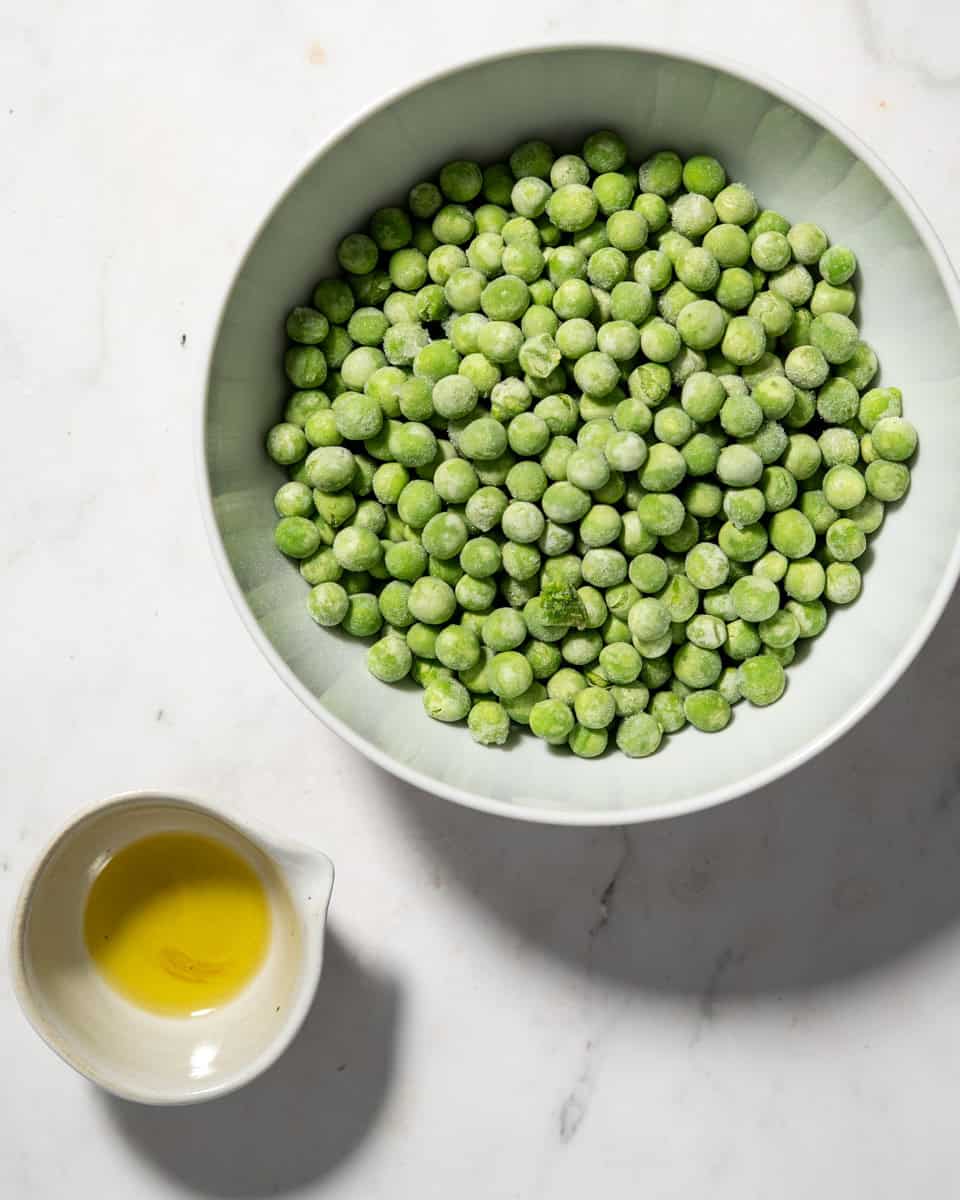
- Green peas: For this recipe you'll need frozen green peas, sometimes also called sweet peas or garden peas- they're affordable, convenient, and usually frozen at peak freshness.
- Olive oil: optional, but I like adding a little for healthy fats and extra creaminess when blending the puree.
Step-by-step instructions
Here's a quick step-by-step with photos so you can see exactly how it comes together. You'll find the full printable recipe card down below.
Step 1: Depending on the age of your baby, you can gently press the cooked peas down with the back of a fork until they lose their round shape and become easier to eat.
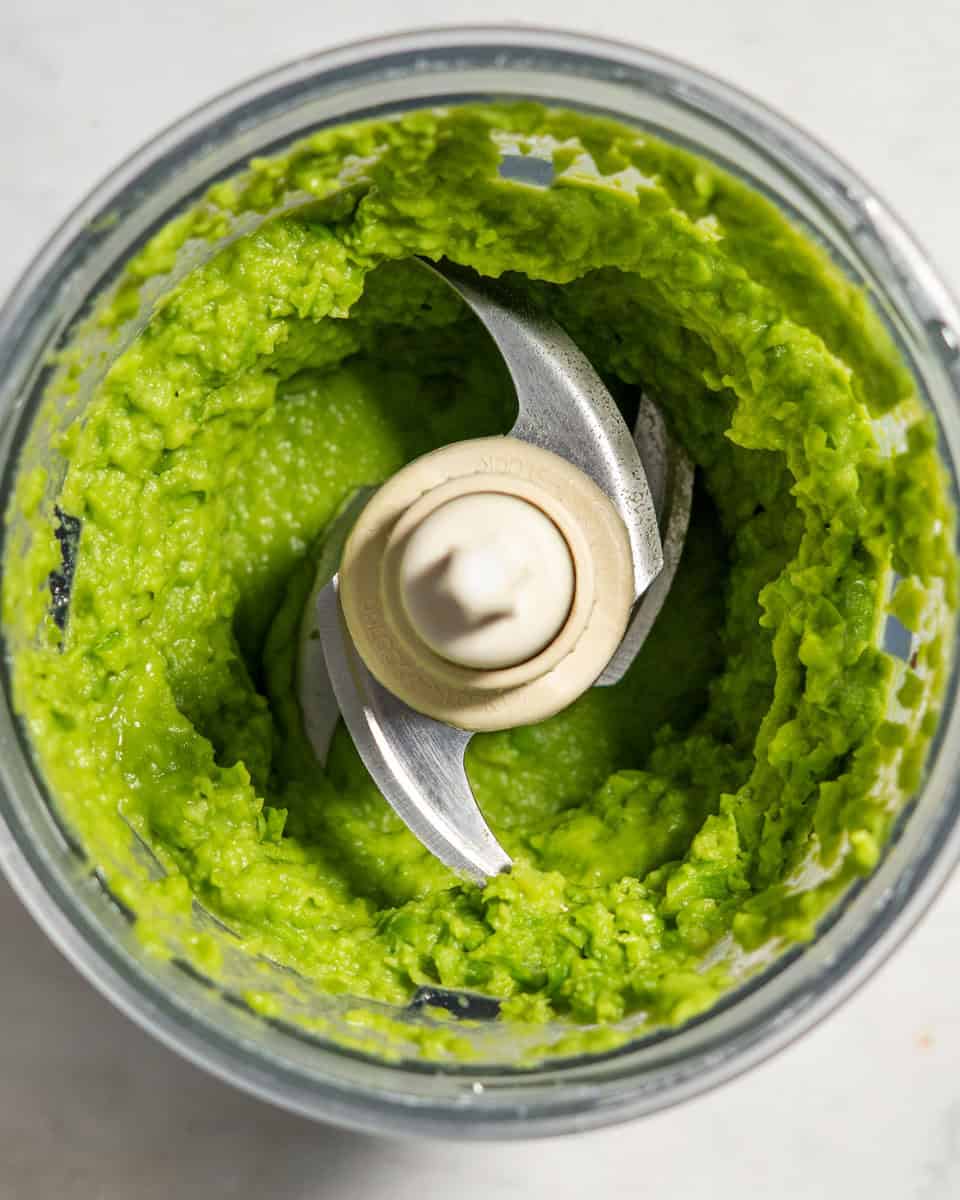
Step 2: For younger babies, add the cooked peas to a small blender or food processor with olive oil and blend until smooth and creamy.
Top tips
- Batch-cooking: Make a bigger batch and freeze the puree in a silicone ice cube tray for easy grab-and-go portions.
- Leftovers: You can stir leftover pea puree into pasta sauces, mashed potatoes, or soups for an easy veggie boost.
Storage
I'd recommend freezing leftovers fairly soon after making them so they stay as fresh as possible. You can spoon the puree into a silicone ice cube tray and freeze in small portions for easy grab-and-go meals later on. Once frozen, transfer the cubes to a freezer-safe bag or container.
Pea Baby Food Combinations
If you're wondering what to mix with peas for baby food, the good news is that pea puree is incredibly versatile. You can blend it with other cooked vegetables, healthy fats, or even proteins to create more variety and gently introduce new flavors and textures. For picky eaters especially, I find it helpful to combine peas with foods they already know and enjoy, as familiar flavors can make new foods feel a little less intimidating.
- Pea + potato puree - creamy, mild, and great for beginners
- Pea + sweet potato puree - naturally sweet
- Pea + avocado puree - creamy with healthy fats, not too overpowering in flavors
- Pea + carrot puree - slightly sweeter and packed with color
- Pea + broccoli puree - a lovely green veggie combo
- Pea + zucchini puree - mild and easy to digest
- Pea + salmon mash - a nutrient-dense combo rich in healthy fats and protein for older babies and toddlers
FAQs
For this recipe, you'll want regular green peas from the frozen aisle. In the US, they're commonly labeled as green peas, petite peas, or sometimes sweet peas (simply referring to their naturally sweet flavor- not the "real" sweet pea flowers, which are ornamental and not edible). In the UK, they're more often called garden peas.
Yes- frozen peas are one of the easiest and best options for homemade baby food because they're picked and frozen at peak freshness.
No- there's no need to thaw frozen peas first. You can cook them straight from frozen, which is one of the reasons they're so convenient for quick baby meals and purees.
Peas can sometimes cause a little gas or bloating because they're naturally high in fiber, especially while babies are still getting used to solids. Starting with smaller portions usually helps, and most babies tolerate peas very well.
Peas are not considered one of the major common food allergens. However, pea allergies and allergic reactions have been reported, although they are still thought to be relatively uncommon. As with introducing any new food, it's best to offer peas on their own at first and watch for any unusual reactions.
No- you generally don't need to remove the skins. A high-speed blender or food processor usually creates a smooth enough puree, although a little texture is completely normal.
More baby food recipes
Pea Baby Food (Purree + BLW)
Ingredients
- 1 ½ cup peas frozen (220g) if making puree if just serving individual peas then less
- 1 teaspoon olive oil
- water as needed
Instructions
- Add peas to a steamer basket over simmering water. Cover and steam for 3-6 minutes, or until tender and bright green. Alternatively, you can also boil peas in water and drain them, but steaming helps retain more nutrients.
Pea Puree
- Once cooled, serve them according to your babies needs and abilities. For babies around 6 months, serve peas completely mashed or pureed only, as whole peas can be a choking hazard.
- Add the cooked peas to a food processor or blender with a little water (I added about 5 tbsp- add a tablespoon at a time until you reach your preferred consistency) and blend until smooth. I also like to add 1 teaspoon of olive oil for some healthy fats and extra creaminess.
Baby-Led-Weaning (BLW) option
- Once your baby has developed a pincer grasp at around 9+ months, you can serve peas lightly mashed with the back of a fork. Toddlers (around 12+ months) can usually enjoy cooked peas whole as an easy finger food.
Equipment
- 1 Small saucepan or pot + steamer basket (optional)
- 1 Blender or small food processor
- 1 Fork (for mashing)
- 1 Silicone ice cube tray (optional, for freezing leftovers)
Notes
- Safety: Even though many toddlers can safely manage whole peas later on, I personally felt more comfortable flattening them for longer because of their round shape.
- Keep an eye on the water while steaming and top it up if needed so the pot doesn't boil dry.
- Storage: Store leftover pea puree in an airtight container in the fridge for up to 1 day or freeze portions in a silicone ice cube tray for up to 2-3 months.