How to get toddlers to eat more vegetables
If your toddler refuses vegetables like it's their full-time job…you're not alone. It's frustrating, a little confusing and honestly- sometimes it makes you question everything you thought you were doing right. But here's the reassuring bit: this is completely normal toddler behavior.
Below, you'll find 12 practical, research-backed strategies that actually work- grounded in what studies show about toddler eating habits, but simple enough to use in everyday life.
Jump to:
✅ Quick Summary
- Picky eating in toddlers is completely normal (especially with vegetables)
- Toddlers may need 10-15 exposures before accepting a new vegetable
- Low-pressure, repeated exposure works better than forcing
- Small, simple changes can help your toddler eat more vegetables over time
Why Toddlers Refuse Vegetables (and What's Normal)
Is it normal for toddlers to hate vegetables? Short answer: Yes. Very normal.
Most toddlers go through a phase where they suddenly become picky- especially with vegetables. It's not a reflection of your cooking or your parenting. Toddlers are actually more sensitive to bitter flavors (which, unfortunately, describes a lot of vegetables :-)). Add in changing preferences around textures- too mushy, too crunchy, too "weird"- and you've got a perfect storm.
Between the age of 1-3, many toddlers experience something called food neophobia- a natural hesitation toward new or unfamiliar foods. Research shows this stage can lead to a reduced variety of foods and lower vegetable intake, which is completely expected during early childhood.
👉 In other words: it's a phase, not a failure.
How to Get Toddlers to Eat More Vegetables (What Actually Works)
This is where things start to feel a bit more doable.
1. Offer Vegetables Without Pressure (The #1 Rule)
Studies suggest that pressuring children to eat can actually reduce their vegetable intake and increase picky eating behaviors. The more pressure you apply, the more resistance you'll get. It's just how toddlers work. Instead of pushing, simply offer vegetables regularly and stay neutral. No bribing, no "just one bite," no negotiations at the dinner table.
2. Repeated Exposure: Why 10-15 Times Matters
This one is huge. Research consistently shows that repeated exposure is one of the most effective ways to increase vegetable acceptance in toddlers. It can take anywhere from 8-10 (or even more) exposures before a child accepts a new vegetable.
So if your toddler rejected carrots five times already? You're actually halfway there.
3. Introduce One Vegetable at a Time
When everything on the plate is new, it can feel overwhelming for a toddler. Try to focus on one new vegetable at a time, alongside foods they already know and like. This makes it feel safer and more familiar- so they're much more likely to actually try it. Once that vegetable feels accepted (or at least tolerated), you can move on to the next one.
4. Model the Behavior (They Copy Everything)
Toddlers are always watching. Studies show that when children observe others (even other kids!) eating vegetables, they're more likely to try them and even develop a preference for them.
So yes, this is your sign to dramatically enjoy your roasted broccoli like it's the best thing you've ever eaten.
That's why I love creating wholesome recipes that can be enjoyed by the whole family. Try my baby overnight oats or cottage cheese lemon blueberry muffins or example.
5. Serve Veggies First When They're Hungriest
A simple trick that might work surprisingly well (at least it did for me): Serve vegetables before the rest of the meal, when your toddler is actually hungry. No distractions. No competition from pasta, bread or fruit.
6. Serve Small Portions
A big pile of vegetables can feel overwhelming for a toddler and that alone can be enough for them to refuse it. Instead, try offering very small portions (even just one or two pieces). It takes the pressure off and makes it feel much more manageable.
And here's the interesting part: research shows that larger portions can actually reduce children's willingness to try foods, especially ones they're unsure about.
7. Make vegetables fun
I like to experiment and sometimes turn veggies into playful shapes. You don't need to turn dinner into a Pinterest project… but a little creativity helps. Think simple: sticks, stars, little "trees". I also try to include a wide color variety to spark curiosity- a bright plate is usually more interesting.
8. Let Toddlers Help Prep
This is a big one. Research shows that hands-on involvement- like helping prepare food- can increase a child's willingness to try vegetables. Even if it's messy. Especially if it's messy.
I started letting my toddler watch me cook and bake as soon as she could safely sit nearby, and over time I slowly included her more in the process. Now she loves turning on the kitchen scale, helping pour flour into the bowl, stirring muffin batter or handing me specific veggies. It's messy, takes a little longer, and flour somehow ends up everywhere… but it also exposes her to different textures, colors and smells in a really natural, low-pressure way.
9. Create "Build-Your-Own" Plates
Letting toddlers build their own plate might sound a bit chaotic… but it can actually work really well. That little bit of control makes a big difference. Toddlers might me more likely to try something when it feels like their decision, not something being pushed on them. The idea is simple: you put a few options on the table- some familiar foods, plus a vegetable or two and let them choose what goes on their plate (within reason, of course).
10. Best vegetables for picky eaters
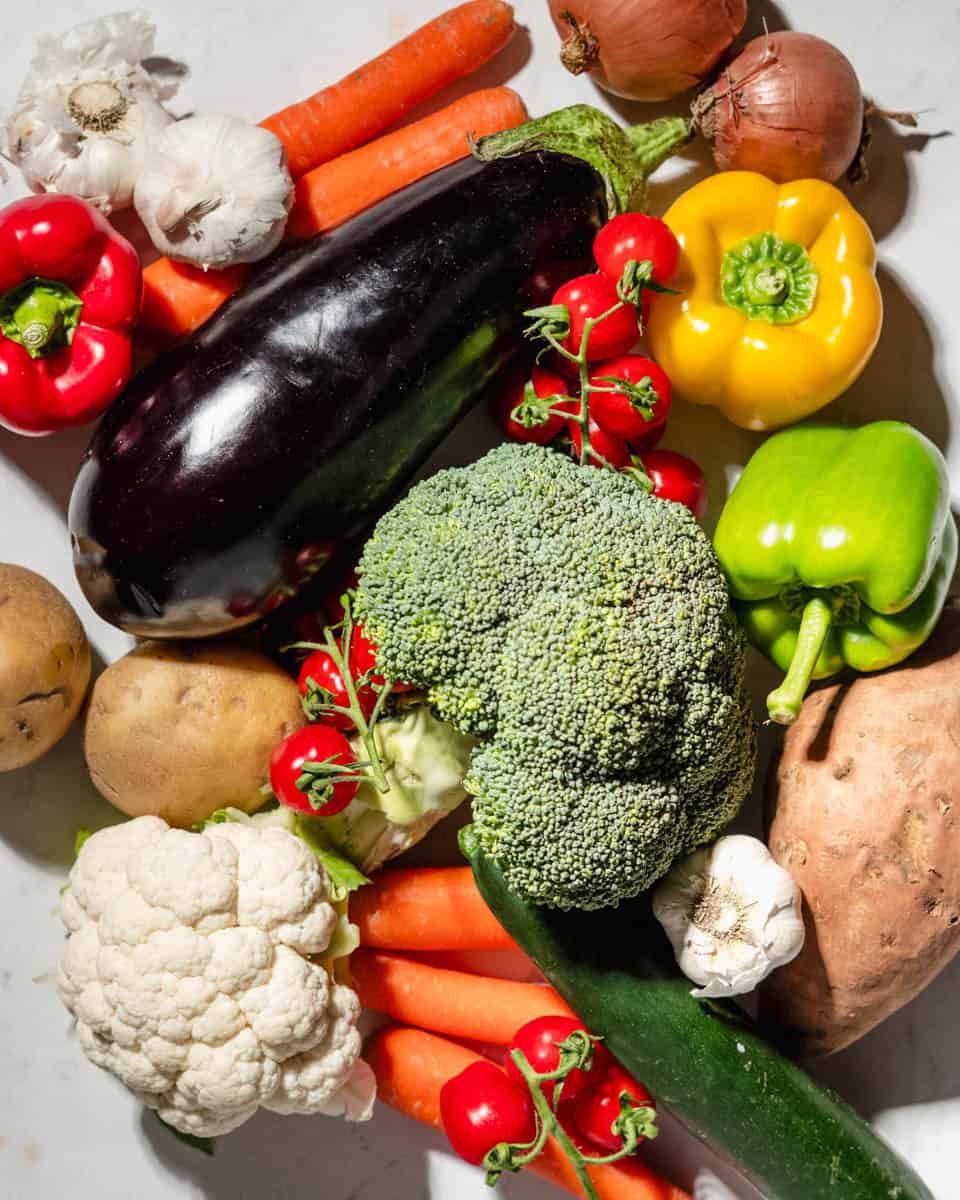
Not all vegetables are created equal- at least not in toddler world. Some are naturally more appealing, so it helps to start with the sweeter ones like carrots, peas, sweetcorn and sweet potato, which tend to go down a little easier. From there, you can gently branch out into mild-tasting veggies like zucchini, cucumber, and green beans.
The more bitter vegetables, like broccoli, kale, and spinach, can take a bit more patience , so I like to introduce them gradually. A simple trick that works really well is pairing them with familiar flavors or serving them alongside something your toddler already enjoys.
11. Cooking Vegetables So Toddlers Actually Like Them
Sometimes it's not what you're serving- it's how you're serving it. Some toddlers love soft, melt-in-the-mouth veggies, while others prefer a bit of bite. It's worth playing around here- you might find they happily eat carrots roasted but refuse them steamed, or love cucumber for that fresh crunch. It's all part of figuring out what works for your little one.
Roasting is one of my go-tos because it brings out the natural sweetness and slight crispy edges while steaming can sometimes leave vegetables a bit bland and less appealing. I also like to add a little healthy fat- just a drizzle of olive oil is often enough to boost flavor and make everything more satisfying.
And don't skip seasoning. You don't need to go over the top, but a pinch of mild herbs or gentle spices can really lift the taste and make veggies feel a lot less boring.
12. Make Vegetables Easy to Eat
Cutting veggies into small, manageable pieces makes them feel less overwhelming, especially for tiny hands still figuring things out. Keeping textures fairly consistent can help too, as some toddlers get put off when something feels unexpected or unfamiliar.
I also find it really helpful to pair vegetables with foods your toddler already knows and likes- it just makes everything feel a bit more familiar and less "risky" from their point of view.
What to Do When Your Toddler Still Won't Eat Vegetables
Even with all the right strategies… some days it just doesn't work. And that's okay.
Stay Calm & Keep Offering Without Forcing
The more pressure you add, the more resistance you'll get. Offer the food and keep things low-key- no forcing, no bribing. It might feel repetitive, but it works. Research shows that repeated, low-pressure exposure helps toddlers accept vegetables over time.
Focus on Variety Over Perfection
It's easy to zoom in on what they're not eating. But try to take a step back.
Nutrition doesn't need to be perfect every single day. Instead, look at what they eat over a week. It tends to balance out over time- especially if you keep offering a variety of foods consistently.
Hidden Veggies as a Backup Plan
If you're worried about your toddler's intake, hidden veggies can be such a helpful way to boost nutrition (and yes, I've used this a lot too and have created many recipes on that topic). That said, it's best to think of hidden veggies as your backup plan, not the main strategy.
Research shows that kids learn to like vegetables through repeated exposure to the real thing- not just when they're hidden in other foods. So use it when you need to but keep offering whole vegetables alongside it too. That's what helps build long-term acceptance.
When to Stop Worrying (and When to Check)
We've just established that most of the time, picky eating around vegetables is completely normal. If your toddler is growing well, has energy and eats a range of foods overall (even if veggies aren't their favorite), you're likely doing just fine. That said, trust your gut.
If you're concerned about their eating habits, growth or overall nutrition, it's always a good idea to check in with a pediatrician. Sometimes a little reassurance is all you need.
Savory recipes for picky eaters
Below you'll find a couple of my favorite recipes for picky babies and toddlers. I hope that some of them will work for you as well:
Sweet recipes for picky eaters
When it comes to sweet recipes, I find it even easier to "make them" eat veggies- sometimes without them even noticing. As a start try my:
Sources
Beals, E., Deierlein, A., & Katzow, M. (2023). Clinical interventions to increase vegetable intake in children. Current Opinion in Pediatrics, 35(1), 138-146.
Białek-Dratwa, A., Szczepańska, E., Szymańska, D., et al. (2022). Neophobia - A natural developmental stage or feeding difficulties for children? Nutrients, 14(7), 1521.
Galloway, A. T., Fiorito, L., Francis, L. A., & Birch, L. L. (2006). 'Finish your soup': Counterproductive effects of pressuring children to eat on intake and affect. Appetite, 46(3), 318-323.
Galloway, A. T., Fiorito, L. M., Lee, Y., & Birch, L. L. (2005). Parental pressure, dietary patterns, and weight status among girls who are "picky eaters". Journal of the American Dietetic Association, 105(4), 541-548.
Holley, C. E., Farrow, C., & Haycraft, E. (2017). A systematic review of methods for increasing vegetable consumption in early childhood. Appetite, 113, 38-50.
Holley, C. E., Farrow, C., & Haycraft, E. (2017). A systematic review of methods for increasing vegetable consumption in early childhood. Current Nutrition Reports, 6(2), 157-170.
National Academies of Sciences, Engineering, and Medicine. (2020). Feeding infants and children from birth to 24 months: Summarizing existing guidance. The National Academies Press.
Nicklaus, S. (2016). The role of food experiences during early childhood in food pleasure learning. Annals of Nutrition and Metabolism, 70(Suppl 3), 8-13.
Rohde, J. F., Loss, J., & Kesztyüs, D. (2019). Influence of food choice and presentation on children's vegetable intake. Appetite, 142, 104377.
van der Horst, K., Ferrage, A., & Rytz, A. (2014). Involving children in meal preparation: Effects on food intake. Appetite, 79, 18-24.
Disclaimer
The information in this article is based on my own research and is intended for general informational purposes only. It should not be considered medical advice. Always consult your pediatrician or a qualified healthcare professional if you have any questions about your baby's feeding or development.